Burntide Official Website › Blog › Format Risk
Is A Chewable Safer Than A Tablet? What One Case Report Shows
A 2005 case report describes oesophageal injury from an apple cider vinegar tablet that lodged on the way down. The mechanism needs a dense solid, so it does not transfer to a chewed gummy. Here is what does.
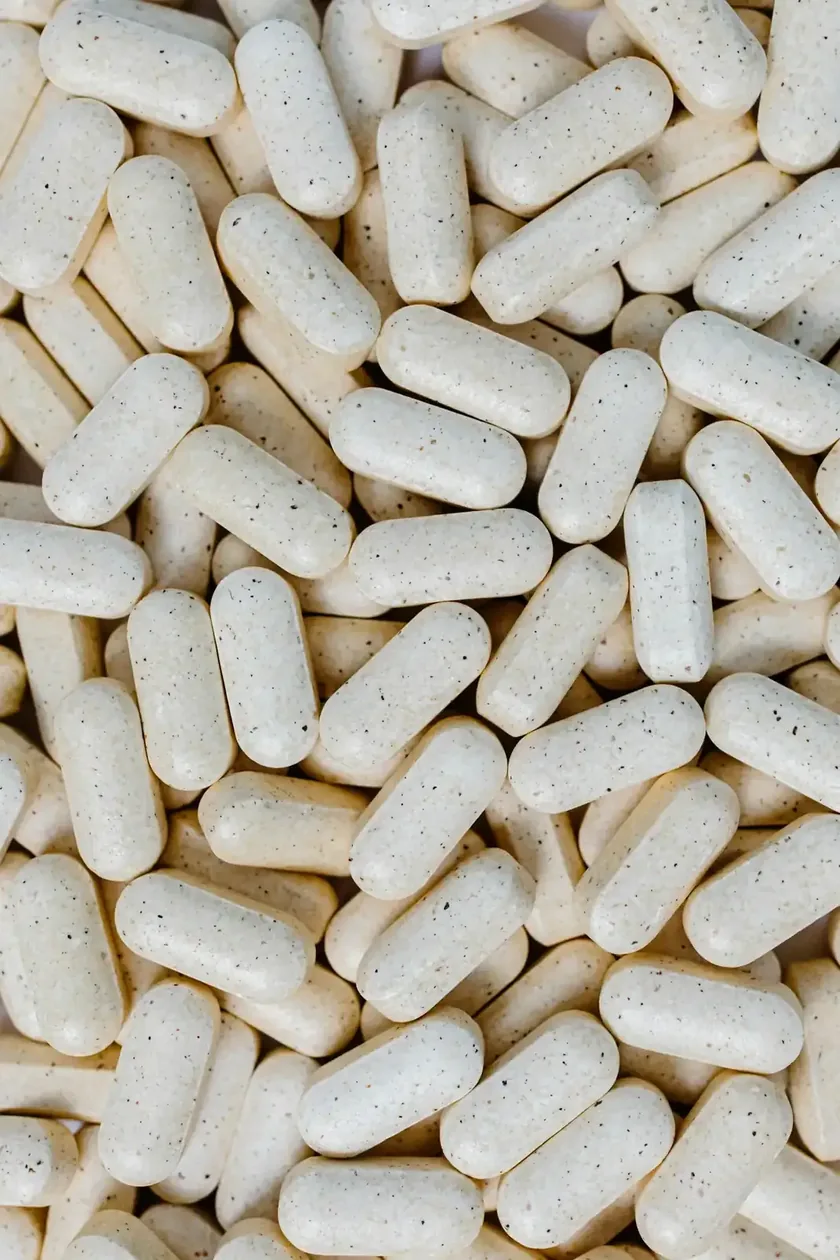
- A published case describes oesophageal injury caused by an apple cider vinegar tablet that lodged on the way down.
- The same investigation found label amounts that did not match contents across several products it tested.
- A chewed gummy cannot lodge, which is a genuine safety advantage of this format and is almost never mentioned by anyone selling one.
- The gummy has its own disadvantage: acid contact with teeth and one gram of added sugar a day.
General information, not medical advice. Burntide is a dietary supplement for healthy adults aged 18 and over. It is not a drug, it is not FDA-approved, and it is not intended to diagnose, treat, cure or prevent any disease. If you are under a physician’s care, take any medicine, or are pregnant or nursing, speak to a clinician or a pharmacist before using any product on this shelf. Nothing on this page replaces that conversation.
The case report, in full
In 2005 the Journal of the American Dietetic Association published a short report describing a woman who felt an apple cider vinegar tablet lodge in her throat. She had difficulty swallowing and pain for six months afterwards, and the investigators traced it to the tablet dissolving against the oesophageal tissue (Hill and colleagues, 2005).
It is one case. It is not a reason to be frightened of vinegar supplements, and this article is not written to frighten anybody. It is worth reading because it is the clearest published example of a risk that belongs to the format rather than to the ingredient, and format risk is almost never discussed on product pages because it cuts across brands.
Why a tablet lodges and a gummy does not
The mechanism is mechanical and it is not subtle. A tablet is a dense, dry, compressed solid. Swallowed without enough water, or swallowed lying down, it can stop in the oesophagus. It then begins to dissolve where it stopped, and an acidic tablet dissolving against soft tissue is the injury described in that report.
A chewed gummy cannot do any of that. By the time it is swallowed it has been broken up and mixed with saliva, and there is no compressed solid left to lodge. That is a real advantage of this format and it is rarely stated, presumably because saying it out loud requires mentioning the case report first.
| Condition | Tablet | Chewed gummy |
|---|---|---|
| A dense solid that stays intact on the way down | Yes | No |
| Enough acidity to damage tissue on contact | Yes | Yes, but not as a solid mass |
| Enough contact time in one place | Yes, if it lodges | No |
All three have to line up. The format removes the first and the third, which is why the mechanism does not transfer.
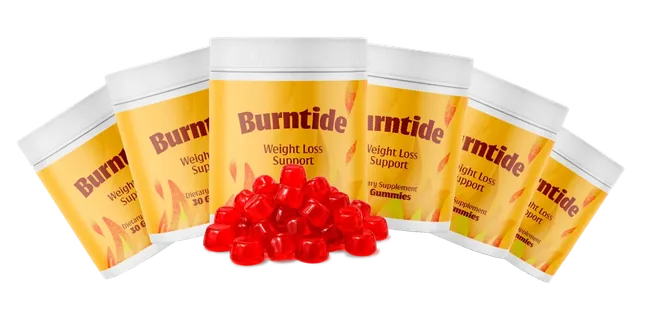
A chewable, not a tablet
Thirty gummies a jar, chewed rather than swallowed whole, for healthy adults eighteen and over. The safety page carries the whole caution block.
Price shows at the checkout, before you pay
Order BurntideThe second finding in the same paper
The case is the part people quote. The other half of that investigation is arguably more useful: having identified the tablet, the authors went and tested a set of apple cider vinegar products and found that the amounts in several of them did not match their labels (Hill 2005).
That is a twenty-year-old finding about a handful of products and it should not be read as a description of the market today. What it is good for is calibrating how much weight to put on a printed number in this category, and the answer is: some, not all, and less when the number is inside a proprietary blend that nobody can verify anyway.
The Burntide panel prints a 525 mg blend and does not break it down. This desk holds a certificate of analysis reference for the batch and has not read the document, which is stated plainly on the batch page rather than dressed up.
Three formats, three risk profiles
The same ingredient in three delivery formats is three different products from a safety point of view. Here is the comparison nobody selling one of them will print.
| Format | What it delivers | The specific risk |
|---|---|---|
| Tablet or capsule | Varies by product, and historically not always what the label said | Can lodge in the oesophagus (Hill 2005). Take with a full glass of water, standing up |
| Liquid vinegar | 15 to 30 mL is the trial range (Hadi 2021) | Direct acid exposure to enamel and throat at every dose, and it is the largest exposure of the three |
| Burntide chewable gummy | 525 mg blend, split not published | Acid contact while chewing, plus 1 g of added sugar a day |
No format is free. The gummy trades the largest risk for the smallest dose, which is the honest way to describe this product.
What the gummy format costs you instead
Two things, and neither is hidden. One is dose: a 2.5 g sweet cannot hold a research amount of anything, which is why the blend is 525 mg and why the ingredients page prints the trial amounts beside it.
The second is sugar. 2 g of total sugars per gummy, 1 g of it added, with corn syrup and cane sugar on the panel. That is unremarkable for a confection and it is a real number for anyone counting.
There is a third that belongs to the format rather than the panel: a chewable that tastes pleasant invites a second one. The label says one, nothing has been studied at two, and a jar of thirty sweets on a kitchen counter is a temptation with a lid. That is also why the label says keep it out of the reach of children and means it literally.
The dental part, done properly
Vinegar varieties produced measurable erosive effects on enamel in laboratory conditions (Willershausen and colleagues 2014). A laboratory acid bath is not a gummy, and a single small chewable is a long way from it. But daily is daily, and the gummy has contact time that a swallowed capsule does not.
Rinse with plain water immediately after chewing
This is what the full glass of water on the label is for, and it is the single most effective thing on this list.
Wait about half an hour before brushing
Brushing straight after an acid exposure works the acid into softened enamel. Waiting turns a bad habit into a neutral one.
Mention it at your next check-up
Particularly if you already have sensitivity or existing erosion, in which case a daily acidic chewable is a question worth asking before you commit to six months of one.
If you have trouble swallowing anything
This is a genuine reason some people choose a gummy, and it is worth stating as a positive rather than only as the absence of a risk. Difficulty swallowing tablets is common, it gets more common with age, and it is one of the reasons chewables exist at all.
If swallowing is a diagnosed problem rather than a preference, that is a clinician’s territory rather than a website’s, and the relevant question is about your diagnosis rather than about this product. The general emergency-department data on supplements includes swallowing problems as a recognised category (Geller and colleagues, 2015), which is another reason the format question deserves more attention than it gets.
The jar-of-sweets problem
There is one risk that belongs entirely to the chewable format and does not exist for a capsule at all, and it is the reason the label carries a line most people read as boilerplate.
“Keep out of the reach of children.”
The printed Burntide label
On a bottle of capsules that instruction is generic caution. On a jar of thirty red sweets it is literal, and it is the single most predictable way a household gets into trouble with this product. A child who finds a jar of gummies does not read a panel, does not count to one, and has no reason to think the contents are anything other than sweets.
- ›Store it in a cupboard rather than on a counter, which also satisfies the cool, dry instruction
- ›Keep the lid tight. It is the only barrier between a child and thirty sweets
- ›Do not decant gummies into an unlabelled container, which removes the warning entirely
- ›If a child does take some, contact a clinician or poison control rather than a website
The same instruction appears on every gummy supplement on the shelf and it is the one genuine format-specific hazard that has nothing to do with the ingredients. A capsule looks like medicine. A gummy looks like a treat, and that is the whole point of the format.
The honest summary
The documented oesophageal injury in this ingredient family came from a tablet, and the mechanism does not transfer to a chewed gummy. That is a real point in this format’s favour and this website is happy to make it.
The same format carries a dose you cannot check and a gram of added sugar a day, and it sits on your teeth while you chew it. Both of those are also true, both are on the safety page, and a page that only made the first argument would not be worth reading.
Sources cited in this article
- Hadi A, Pourmasoumi M, Najafgholizadeh A, Clark CCT, Esmaillzadeh A. The effect of apple cider vinegar on lipid profiles and glycemic parameters: a systematic review and meta-analysis of randomized clinical trials. BMC Complement Med Ther. 2021;21(1):179. PMID 34187442. View source
- Hill LL, Woodruff LH, Foote JC, Barreto-Alcoba M. Esophageal injury by apple cider vinegar tablets and subsequent evaluation of products. J Am Diet Assoc. 2005;105(7):1141-4. PMID 15983536. View source
- Willershausen I, Weyer V, Schulte D, Lampe F, Buhre S, Willershausen B. In vitro study on dental erosion caused by different vinegar varieties using an electron microprobe. Clin Lab. 2014;60(5):783-90. PMID 24839821. View source
- Geller AI, Shehab N, Weidle NJ, et al. Emergency department visits for adverse events related to dietary supplements. N Engl J Med. 2015;373(16):1531-40. PMID 26465986. View source

Every page, every journal post, the bottle facts and the ingredients go through review by Dr. Dean Tomlin before they ship. We write from the printed Burntide Supplement Facts panel and this desk’s own paperwork, cite public research beside the amount that research actually used, and print “not published” wherever a figure is not disclosed rather than estimating it. This website earns when you buy. Corrections are made on the page itself and the review date moves forward. Write to [email protected]. Last updated September 17, 2026.